
.png)

The Art of Culinary Choreography - Optimizing Kitchen Layouts for Restaurants
Discover the art of culinary choreography – optimizing restaurant kitchen layouts for efficiency, safety, and exceptional dining experiences. Explore case studies, kitchen technology, challenges, and future trends in this comprehensive guide.
Imagine a bustling restaurant where plates of delectable dishes are whisked from the kitchen to the dining area with flawless precision. It's not just about the taste of the food; it's also about the spectacle of it all… In the world of gastronomy, a restaurant's kitchen is akin to a theater stage where culinary masterpieces are crafted, and the chefs are the performers. Behind the scenes, the intricate dance of chefs, waitstaff, and equipment takes place, and this choreography is what defines the heart of a restaurant. Welcome to the art of culinary choreography, where the layout of a restaurant's kitchen can make or break its success.
The Role of Kitchen Layout in Restaurant Success
The layout of a restaurant's kitchen is far more than just an exercise in aesthetics; it plays a pivotal role in shaping the overall success of the establishment. From operational efficiency to customer satisfaction, the kitchen layout is a fundamental factor that influences various aspects of a restaurant's performance. In this detailed exploration, we will delve into the multifaceted impact of kitchen layout on restaurant success.
Efficiency and Productivity
Efficiency and productivity are paramount in a restaurant's kitchen. An intelligently designed layout can significantly enhance both of these critical elements.
- Reducing Bottlenecks - A well-thought-out kitchen layout minimizes congestion and bottlenecks. When chefs and kitchen staff can move freely and access ingredients and equipment without impediments, it allows them to focus their energy and time on cooking, not navigating tight spaces. This, in turn, accelerates the preparation of dishes and ensures a smoother flow of orders from the kitchen to the dining area.
- Service Speed - Efficient kitchen layouts directly contribute to improved service speed. Dishes are prepared and plated quickly, ensuring that they reach customers in a timely manner. Prompt service is often a key determinant of customer satisfaction, encouraging repeat business and positive reviews.
Safety and Hygiene
Safety and hygiene are non-negotiable in any kitchen, and the layout plays a pivotal role in ensuring both. Here are the key ways in which a well-designed kitchen layout supports safety and hygiene…
- Minimizing Cross-Contamination: Properly designed layouts separate different food preparation areas, reducing the risk of cross-contamination. For example, raw meat should be kept separate from vegetables to prevent the spread of harmful bacteria. An effective layout ensures that these areas are clearly defined and segregated.
- Reducing Clutter: Cluttered kitchens are breeding grounds for accidents. A thoughtfully organized kitchen layout minimizes clutter by providing designated storage spaces and well-organized workstations. This, in turn, lowers the likelihood of workplace accidents, protecting both staff and customers.
Customer Experience
The customer experience is another critical aspect of restaurant success, and the kitchen layout can directly impact it.

- Open Kitchen Layout: Many modern restaurants opt for an open kitchen layout where diners can witness the culinary artistry firsthand. This enhances transparency and theater in the dining experience, creating a sense of excitement and connection with the food being prepared. Customers often appreciate the opportunity to see their meals being crafted, which can elevate their overall dining experience.
- Ambiance Control: Thoughtful kitchen design can also control noise levels and ensure that the kitchen's sounds do not disrupt the dining area. Acoustic considerations, such as sound-absorbing materials and strategic placement of equipment, can contribute to creating the right ambiance for a pleasant dining experience.
Types of Restaurant Kitchen Layouts
The diverse landscape of restaurants demands tailored kitchen layouts that cater to their specific operational requirements. The choice of layout significantly influences the efficiency and overall functionality of the kitchen.
Open Kitchen Layout
This layout is the hallmark of fine dining establishments, offering a captivating sense of transparency and theater. Here, chefs take center stage, showcasing their culinary expertise in full view of the diners. It not only elevates the dining experience but also fosters a direct connection between chefs and patrons.
Island Kitchen Layout
In high-end restaurants, the island kitchen layout reigns supreme. It centralizes food preparation, optimizing the cooking process by promoting an efficient workflow. This design ensures that dishes are promptly prepared and served, aligning with the expectations of discerning diners.

Assembly-Line Layout
Commonly found in fast-food and quick-service restaurants, the assembly-line layout is engineered for consistent and rapid production. This setup streamlines the culinary process, enhancing the speed of service and ultimately boosting customer satisfaction. Efficiency is paramount in these fast-paced dining establishments.
Zone Layout
Restaurants with diverse menus, encompassing various cuisines, find solace in the zone layout. This design creates specialized areas for different types of dishes, ensuring that efficiency is maintained even when preparing a wide range of culinary creations. It's a versatile layout that adapts to the restaurant's unique culinary offerings.
Kitchen Technology and Culinary Choreography
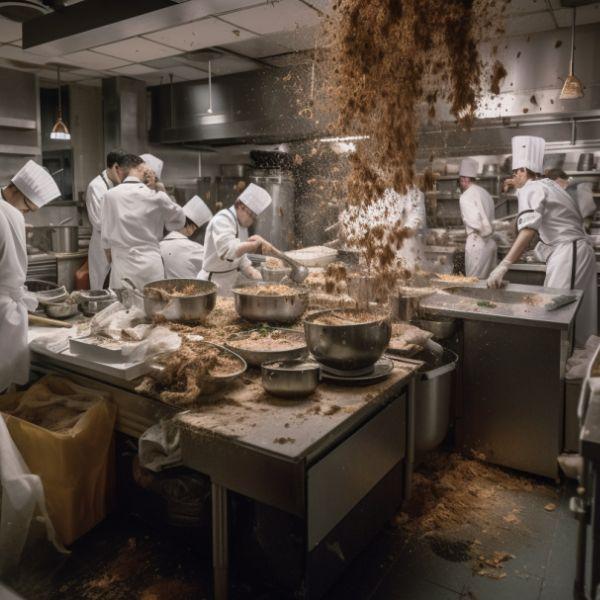
Today's restaurant kitchens transcend physical layout; they are hubs of innovation that seamlessly integrate technology and automation. Smart appliances and advanced monitoring systems are taking center stage, offering chefs and kitchen staff better control and heightened efficiency. Data-driven insights gleaned from these systems help optimize kitchen operations, enhancing the overall dining experience.The future of restaurant kitchens is increasingly automated, with AI-enhanced cooking and food preparation systems ensuring unparalleled consistency and labor savings. This transformative shift represents a harmonious blend of human culinary expertise with the precision and efficiency of automation, promising exciting culinary horizons.
Future Trends in Kitchen Layout Optimization
The art of culinary choreography in restaurant kitchens is in a perpetual state of evolution, driven by several promising trends. The future sees an increasing commitment to sustainability in kitchen design. From energy-efficient appliances to waste reduction strategies, restaurants are striving to minimize their environmental footprint while enhancing operational efficiency. The advent of VR technology is revolutionizing kitchen layout optimization. It enables designers to visualize and fine-tune kitchen layouts with unprecedented precision before construction. Additionally, VR is being used for staff training, allowing chefs and kitchen staff to familiarize themselves with the layout and equipment in a virtual environment, improving efficiency and reducing errors.
Key Takeaways!
Culinary choreography is the art of optimizing restaurant kitchen layouts for maximum efficiency, safety, and customer satisfaction. A meticulously planned kitchen design plays a pivotal role in enhancing productivity, minimizing operational risks, and ultimately contributing to a delightful dining experience. The key principles underlying culinary choreography encompass the careful consideration of flow and circulation patterns, strategic placement of equipment, and the flexibility to adapt to evolving culinary requirements. It's important to recognize that various kitchen layouts are tailored to suit different types of restaurants, ranging from open kitchens that provide a glimpse of the culinary action to assembly-line setups in fast-food establishments.


.png)
.png)